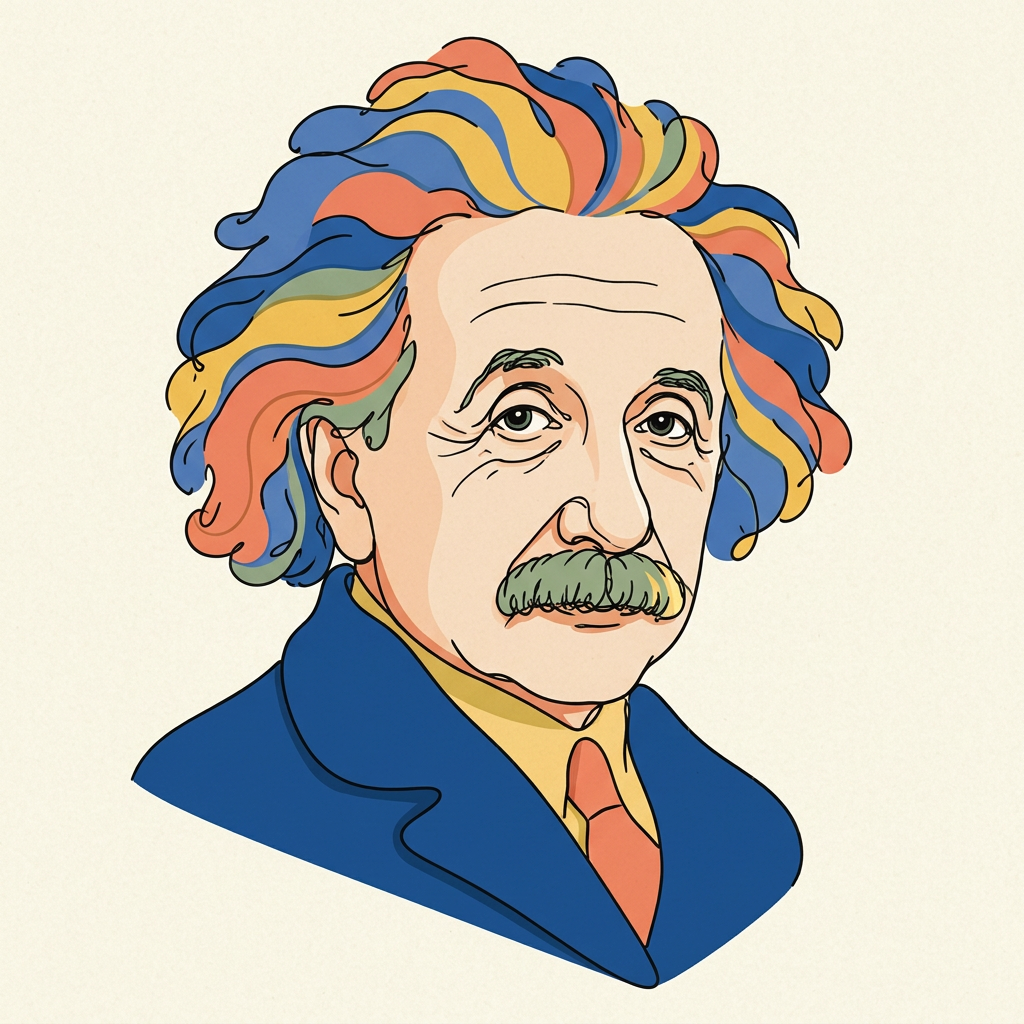
Albert Einstein
Practices visible in his papers and letters: thought experiments, questioning accepted definitions, and long correspondence with critics.
Each journey is built from documented work and practices. Aspiria never claims a trait caused anyone's success — it shows what their record contains, and lets you train the same skills. Portraits are line-drawn tributes, not photographs.

Practices visible in his papers and letters: thought experiments, questioning accepted definitions, and long correspondence with critics.

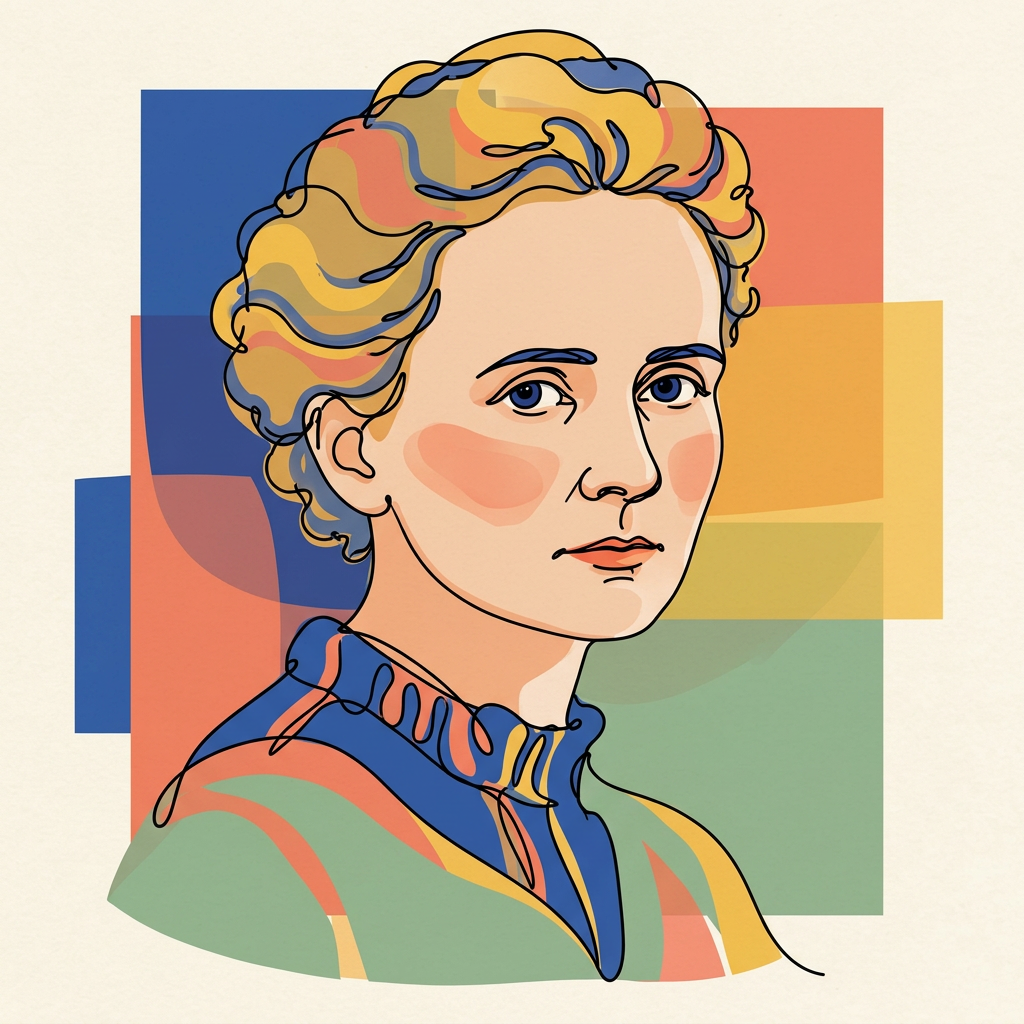
Practices visible in her notebooks and papers: measurement discipline, years of physical labour on one question, precise reporting.

Practices documented in his work and memoir: doing mathematics in his head, and explaining hard ideas to the public.

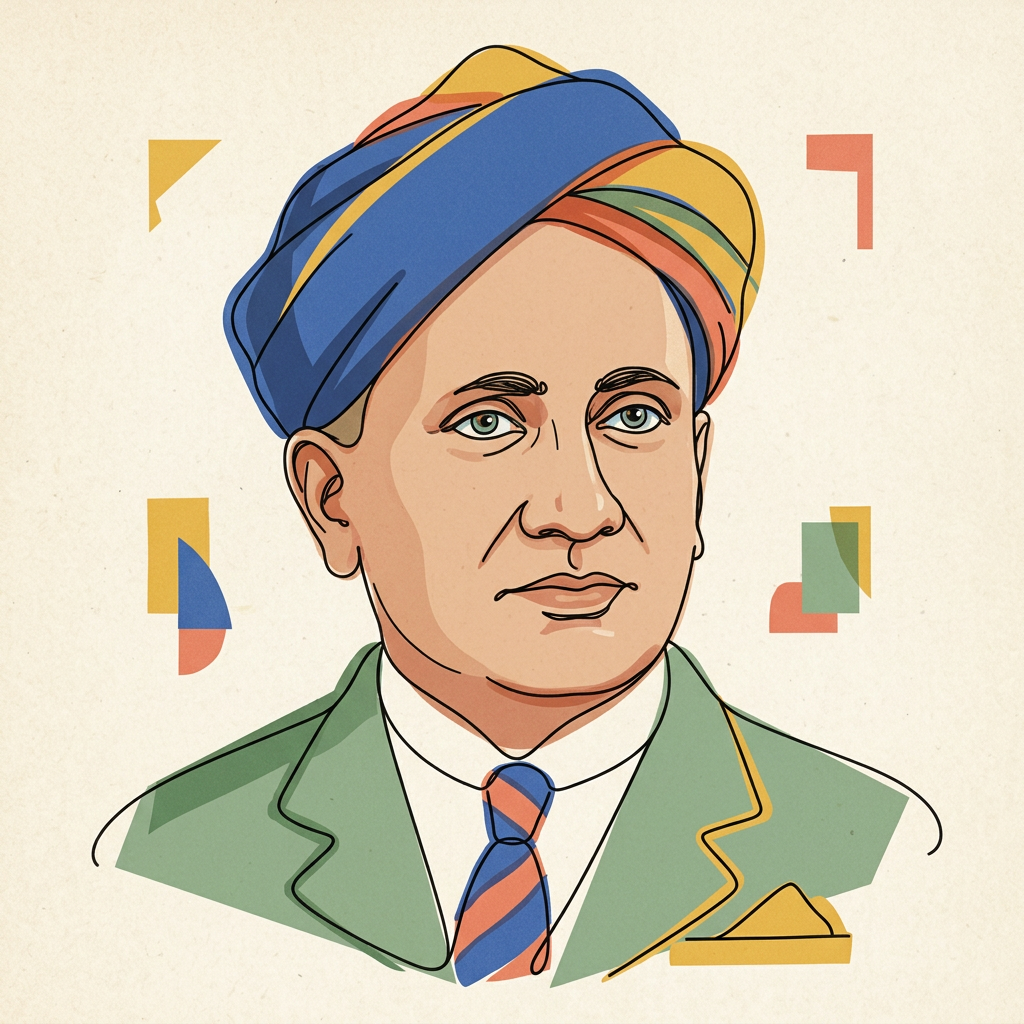
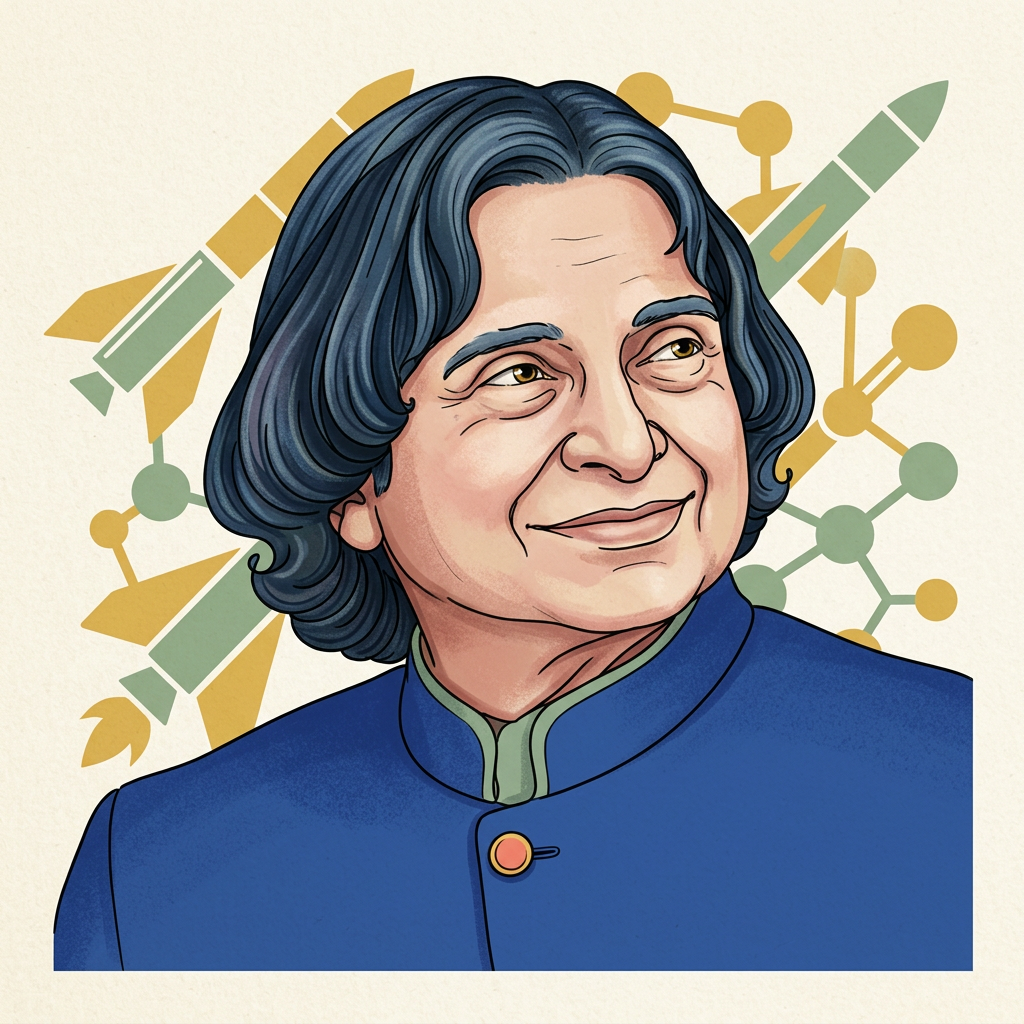
Practices visible in his record: careful observation of everyday phenomena and building instruments cheaply in India.

Practices visible in his notebooks and correspondence: relentless independent exploration, and later, learning to supply formal proof.

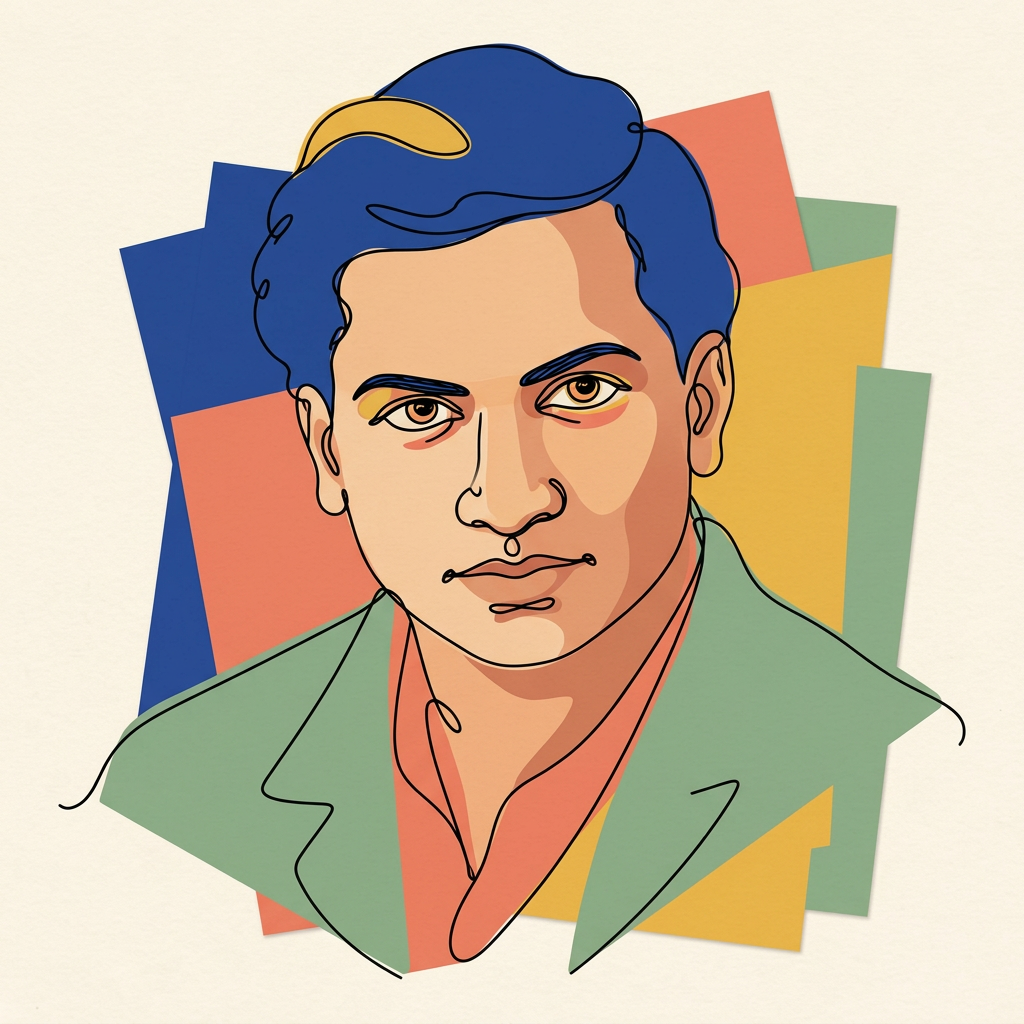
Practices visible in his diary and publications: fast calculation, a private notebook of discoveries, and publishing only polished results.

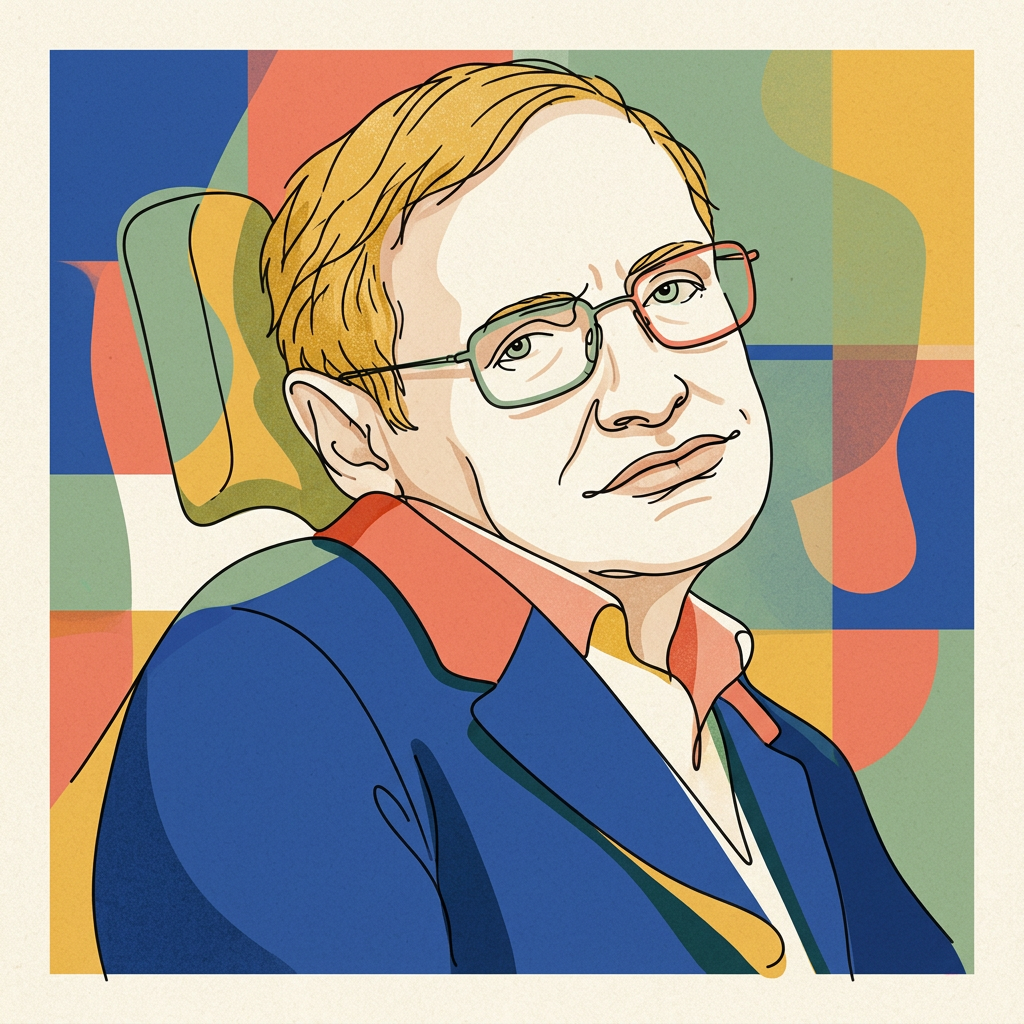
Practices visible in his enormous output: daily writing, clear notation, and continuing work by dictation after losing his sight.

Practices documented across his career: enormous pattern study, speed under clock pressure, adapting method as the game changed.

Practices described in interviews: playing huge numbers of games, grinding small advantages, and staying calm in long endgames.

Practices documented in his books: systematic opening preparation, self-analysis of losses, and writing about decision-making.

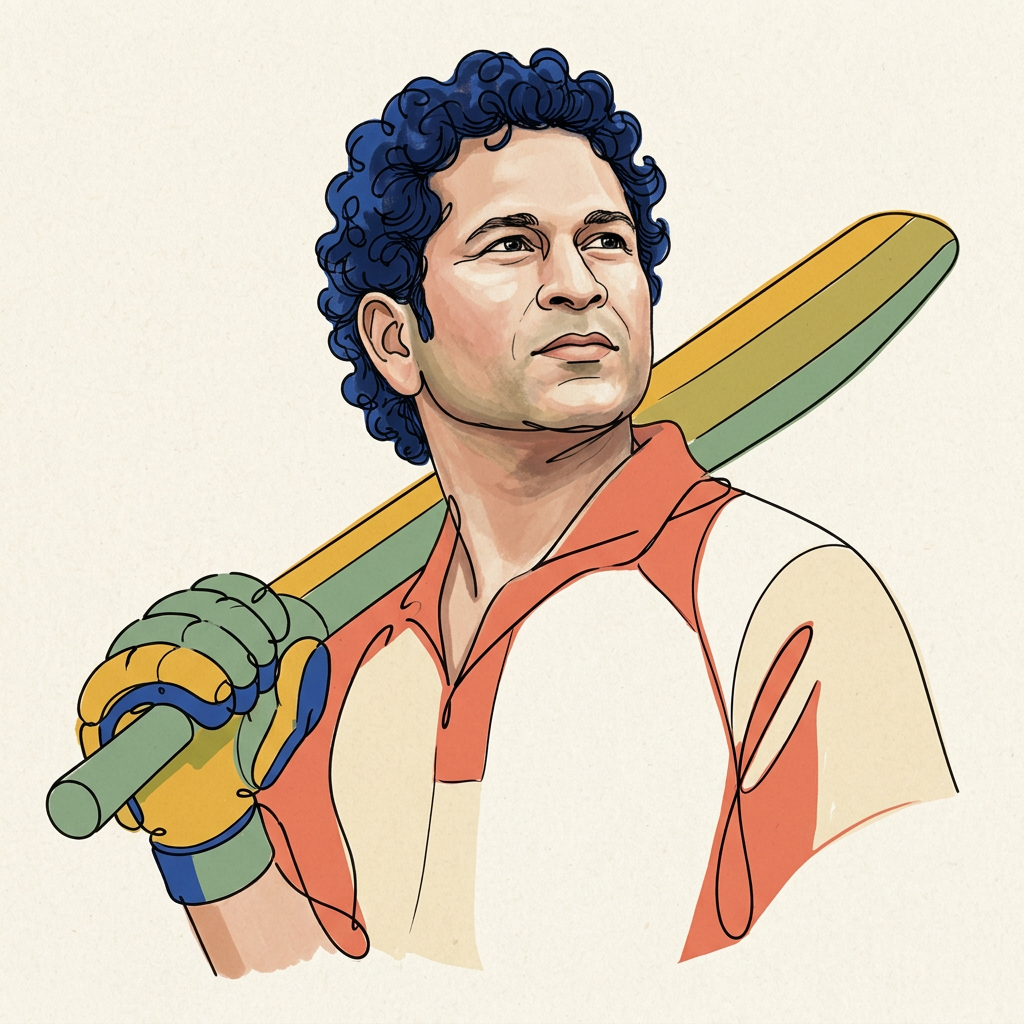
Practices described in his autobiography: long net sessions from childhood, coach-set challenges, and preparing for specific bowlers.

Practices documented in interviews: early structured coaching, playing through setbacks, and managing pressure in finals.

Practices described by him and his coaches: learning emotional control as a teenager, efficient technique, and adapting his game with age.

Practices documented by his coach: rebuilding his technique around scoliosis, and core strength work to support a tall frame.

Practices documented in her autobiography: starting late from a farming family, training while raising children, and returning after breaks.

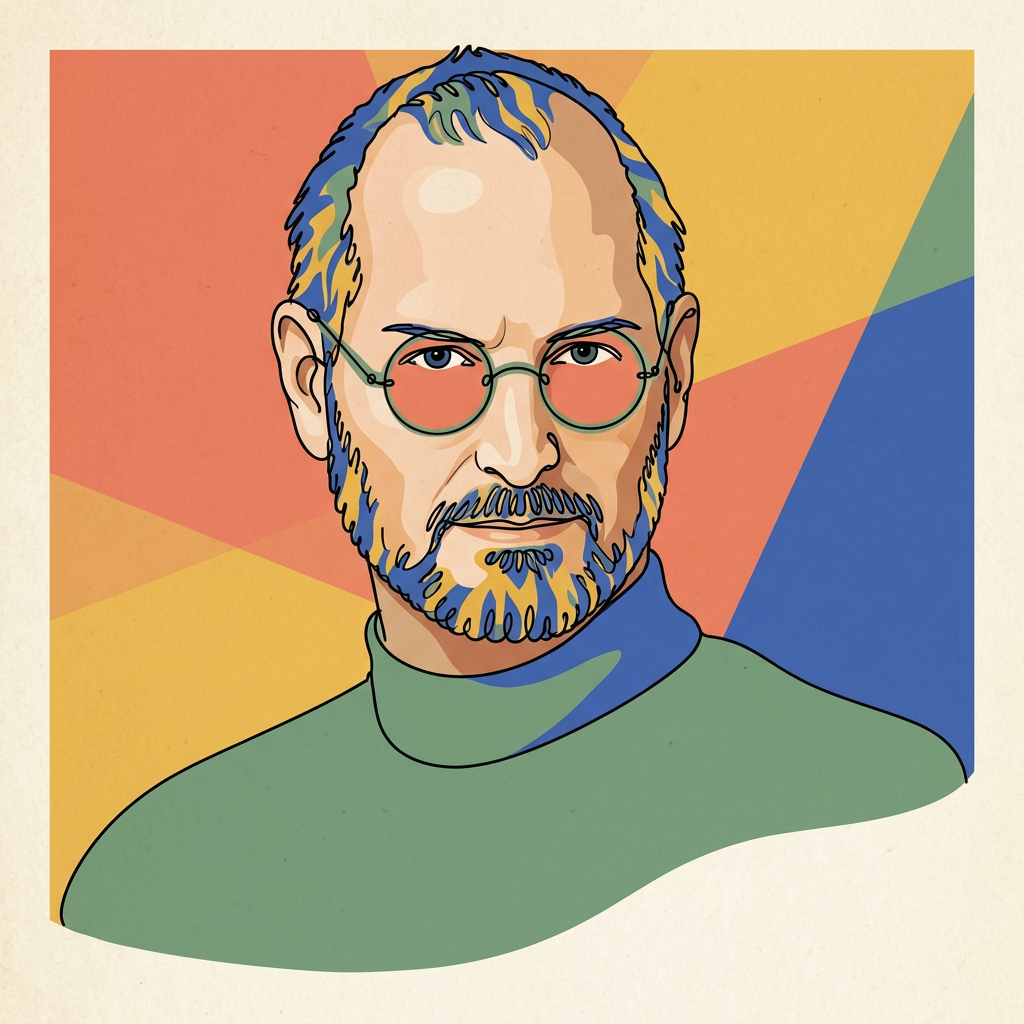
Practices documented in biographies: focus through saying no, obsession with simplicity, and learning from being fired.

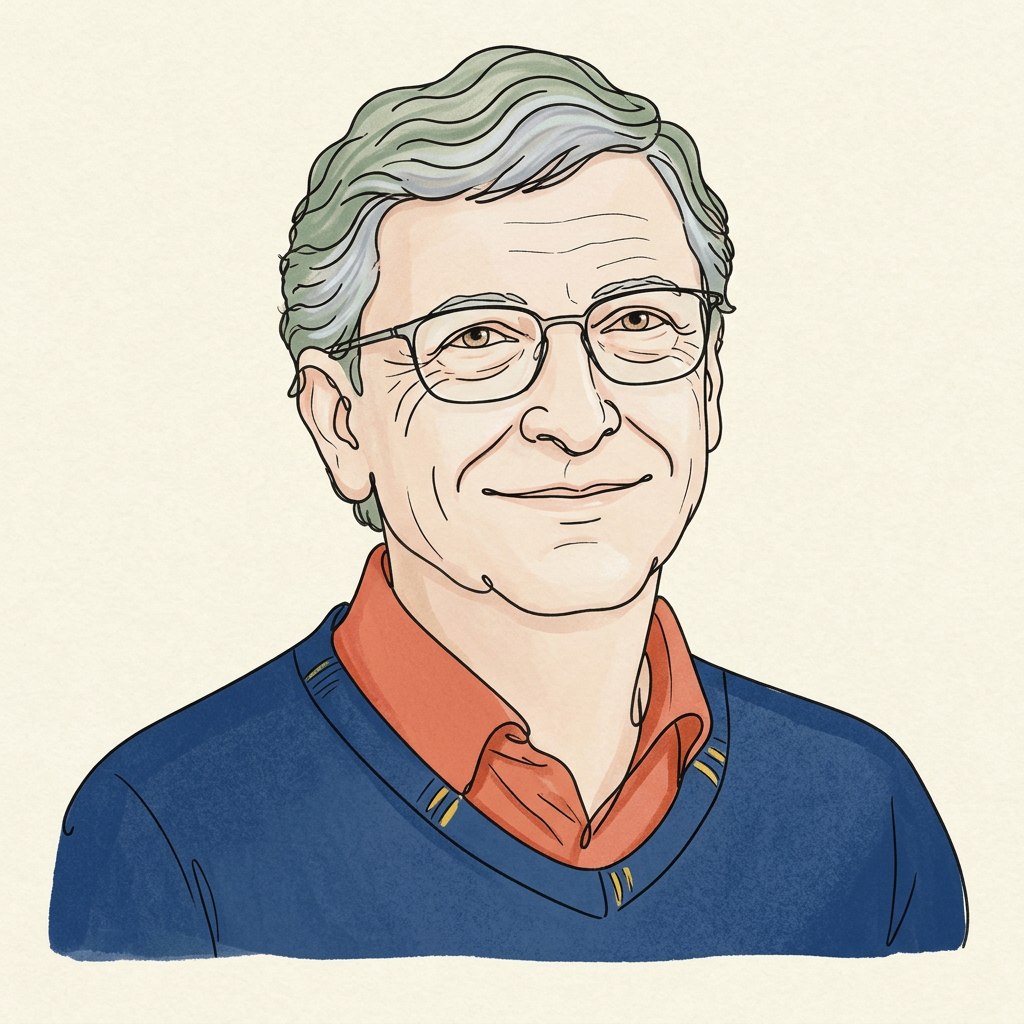
Practices documented by him: heavy reading, 'Think Weeks' to study problems, and using data to choose philanthropic targets.

Practices he describes publicly: reasoning from first principles about cost, and repeated testing where early failures are expected.

Practices documented in his career: starting on the shop floor, long-horizon bets, and treating philanthropy as core to business.

Practices visible in his work: grammar-school training in rhetoric, borrowing and reshaping existing stories, and writing for real audiences.

Practices visible in his work: learning at home and outdoors, writing across forms, and translating his own work.

Practices she has described: planning the full series in advance, writing in cafés during hardship, and persisting through rejections.

Practices documented in interviews and studio accounts: early instrumental grounding, long private experimentation, cross-tradition study.

Practices documented by collaborators: rehearsing from childhood, studying dancers on film, and repeating a move until exact.

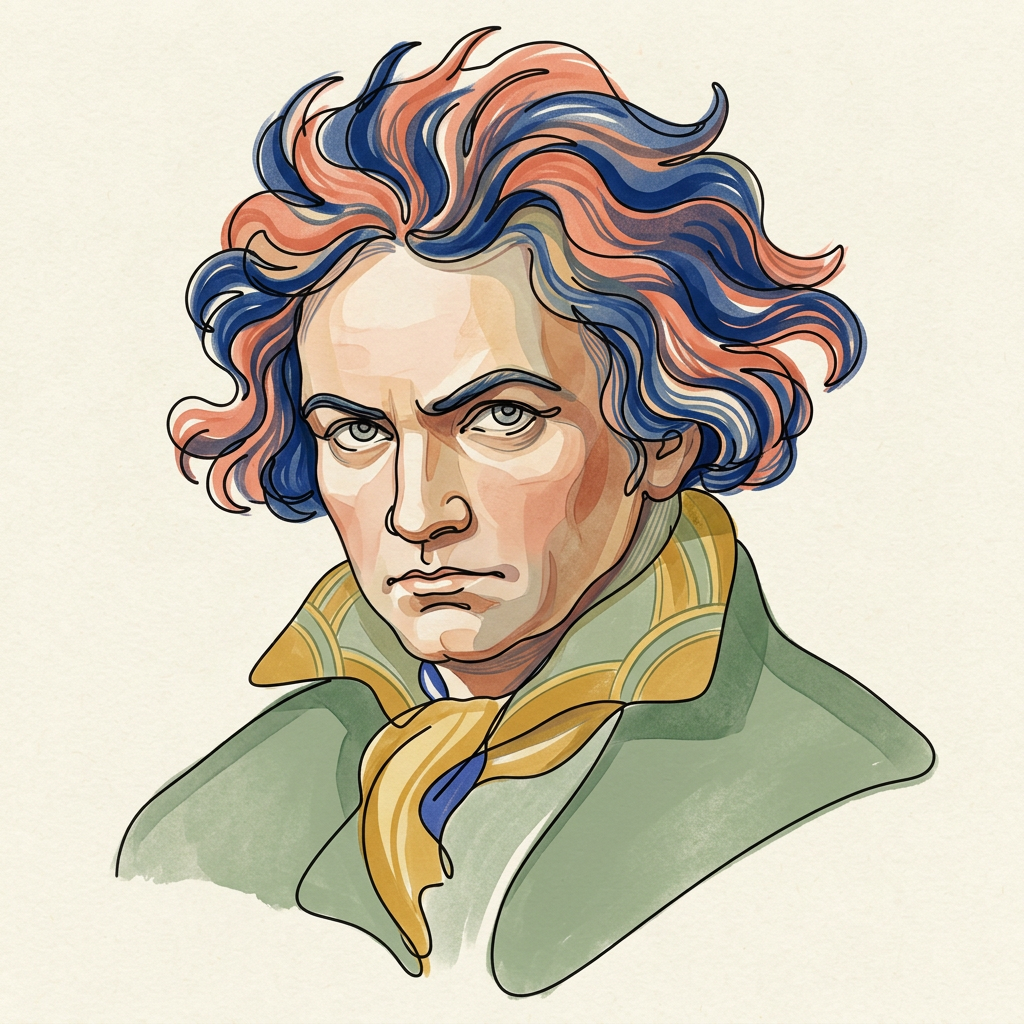
Practices visible in his sketchbooks: working ideas over many drafts, and composing after losing his hearing.

Practices visible in his documented work: long technical apprenticeship, plain-spoken teaching, recovery after public failure.

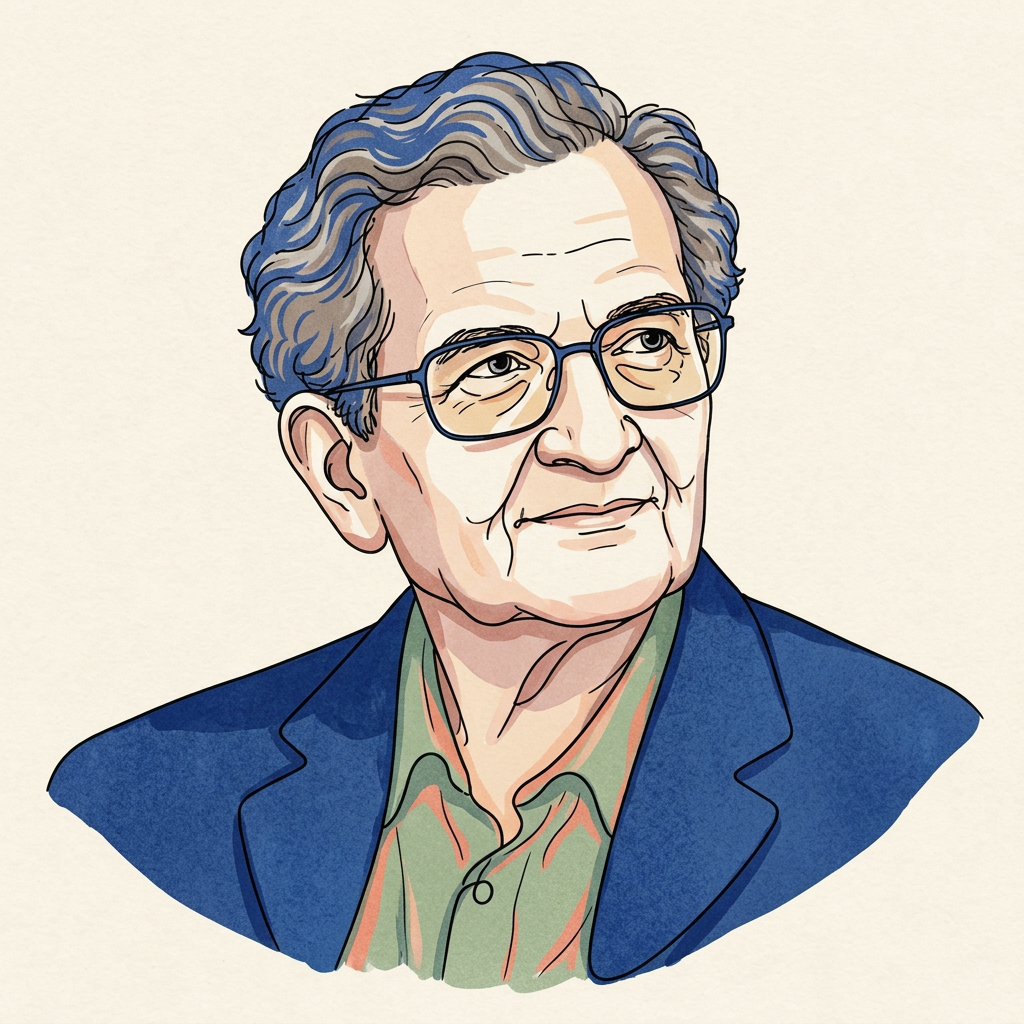
Practices visible in his published work: careful definition, use of evidence, and arguing with his own position.